

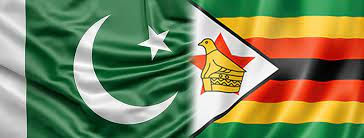
The bilateral relations between Zimbabwe and Pakistan are a significant example of South-South cooperation, characterized by long-standing friendship, political solidarity, and growing economic and military ties. Below is an overview of their historical and contemporary relations:
1. Historical and Political Relations
-
Foundation: Diplomatic relations were established soon after Zimbabwe’s independence in 1980. Pakistan was one of the early countries to recognize the new nation.
-
Solidarity and Shared Views: The relationship is rooted in a shared history as former British colonies and a common perspective on many international issues. Both are members of the Non-Aligned Movement (NAM) and the Group of 77 (G77), and often support each other’s positions in multilateral forums like the United Nations.
-
High-Level Exchanges: There have been several high-level visits over the years, which have strengthened political ties. Notable visits include trips by Pakistani Presidents (e.g., Pervez Musharraf in 2005) and Prime Ministers to Zimbabwe, and reciprocal visits by Zimbabwean Presidents like Robert Mugabe and Emmerson Mnangagwa to Pakistan.
-
Consular Presence: Pakistan maintains an embassy in Harare, and Zimbabwe has an embassy in Islamabad, facilitating continuous dialogue and consular services.
2. Economic and Trade Relations
The economic relationship has potential but has historically been below its true capacity. Recent efforts are aimed at revitalizing it.
-
Trade Volume: The total trade volume is relatively modest, fluctuating but generally in the range of $30-50 million annually.
-
Pakistan’s Exports to Zimbabwe: Primarily include textiles (woven fabrics, garments), pharmaceuticals, surgical instruments, sports goods, rice, and leather products.
-
Zimbabwe’s Exports to Pakistan: Traditionally include tobacco, cotton, and various minerals. Zimbabwe, rich in lithium, is looking to partner with Pakistan, which has a growing demand for the mineral for its battery and electric vehicle industries.
-
Joint Commission: The Pakistan-Zimbabwe Joint Ministerial Commission (JMC) is the primary mechanism to boost trade and investment. Meetings of the JMC focus on identifying and removing trade barriers.
-
Investment: Pakistani companies have shown interest, particularly in the pharmaceutical, textile, and agricultural sectors. There is significant potential for Pakistani investment in Zimbabwe’s mining and energy sectors.
3. Defense and Security Cooperation
This is a robust and well-established pillar of the relationship.
-
Military Training: Pakistan’s armed forces have been a key destination for the training of Zimbabwean military officers at its prestigious institutions. Thousands of Zimbabwean officers have received training in Pakistan over the decades.
-
Defense Production: Pakistan’s defense industry has supplied military equipment to Zimbabwe, including small arms, ammunition, and military vehicles.
-
Joint Exercises: There have been instances of joint military exercises and staff-level talks, enhancing interoperability and sharing expertise.
4. Technical Cooperation and Development Assistance
Pakistan has provided technical assistance to Zimbabwe, particularly in capacity building.
-
Education: Zimbabwean students have availed scholarships to study in Pakistani universities, especially in fields like medicine and engineering.
-
Capacity Building: Pakistan has offered training programs in various fields for Zimbabwean officials under its technical assistance program.
5. Cultural and People-to-People Ties
While not as prominent as other areas, cultural connections exist.
-
Small Pakistani Community: A small community of Pakistani expatriates, largely businesspeople and professionals, resides in Zimbabwe.
-
Shared Religious Bonds: The Muslim communities in both countries provide a cultural and religious link.
Challenges and Opportunities
-
Challenges:
-
Economic Constraints: Zimbabwe’s economic challenges, including foreign currency shortages and hyperinflation, have hindered the growth of trade and investment.
-
Geographical Distance and Logistics: Lack of direct air and shipping links increases the cost and complexity of trade.
-
Limited Market Awareness: Businesses in both countries often lack information about opportunities in the other market.
-
-
Opportunities:
-
Agriculture: Pakistan can share expertise in water management, dairy farming, and crop production with Zimbabwe.
-
Mining: Collaboration in the mining sector, especially in lithium, gold, and chrome, holds immense potential.
-
Pharmaceuticals: Pakistan can become a major supplier of affordable medicines and vaccines to Zimbabwe.
-
Information Technology: Pakistan’s growing IT sector can partner with Zimbabwean companies for software development and IT services.
-
Conclusion
The relationship between Zimbabwe and Pakistan is friendly, stable, and multifaceted. It is anchored in decades of political support and strong defense ties. While economic relations have not yet reached their full potential, both governments are actively working to enhance trade, investment, and technical cooperation. The relationship is poised for growth, leveraging the complementarities of both economies and their shared desire for a stronger South-South partnership.